How to Read a CBD Product Label: A Practical Guide for Everyday Buyers

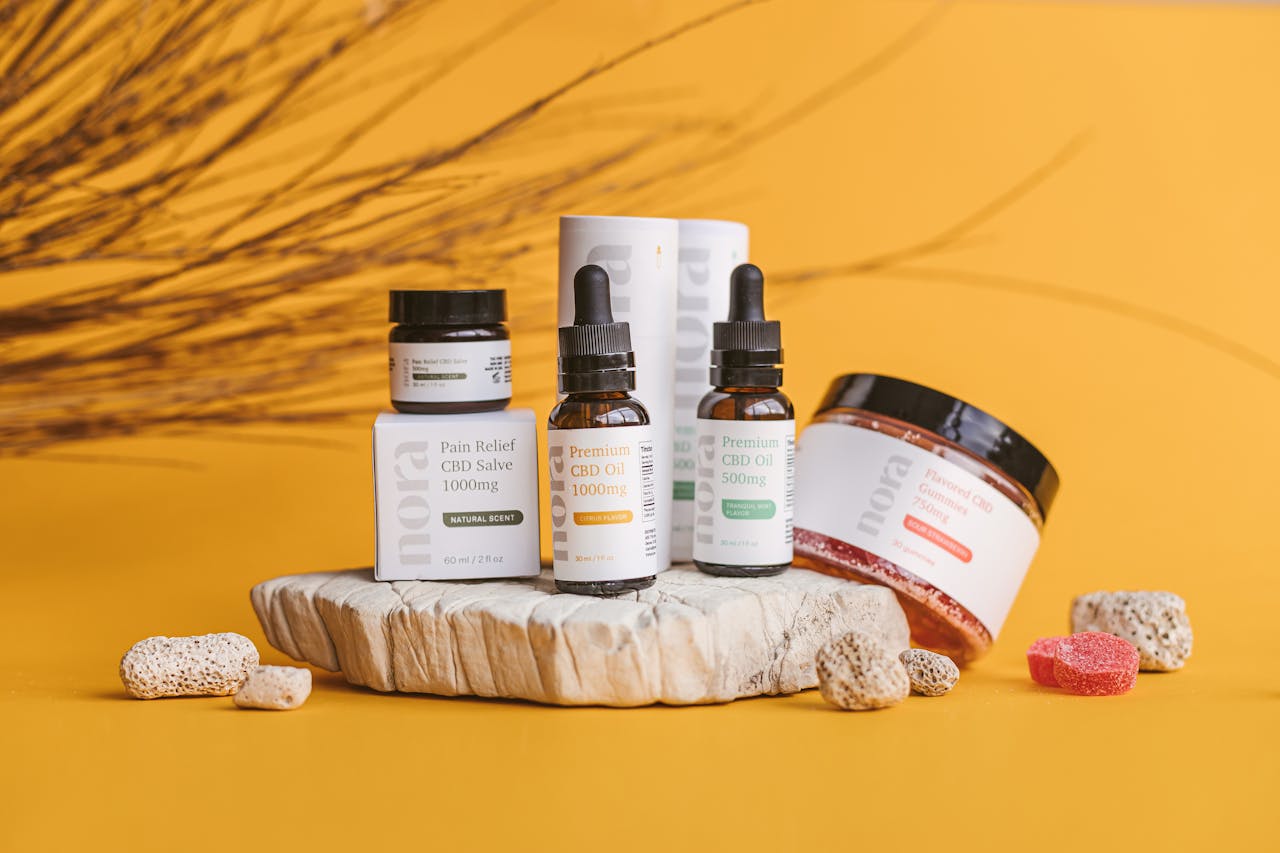
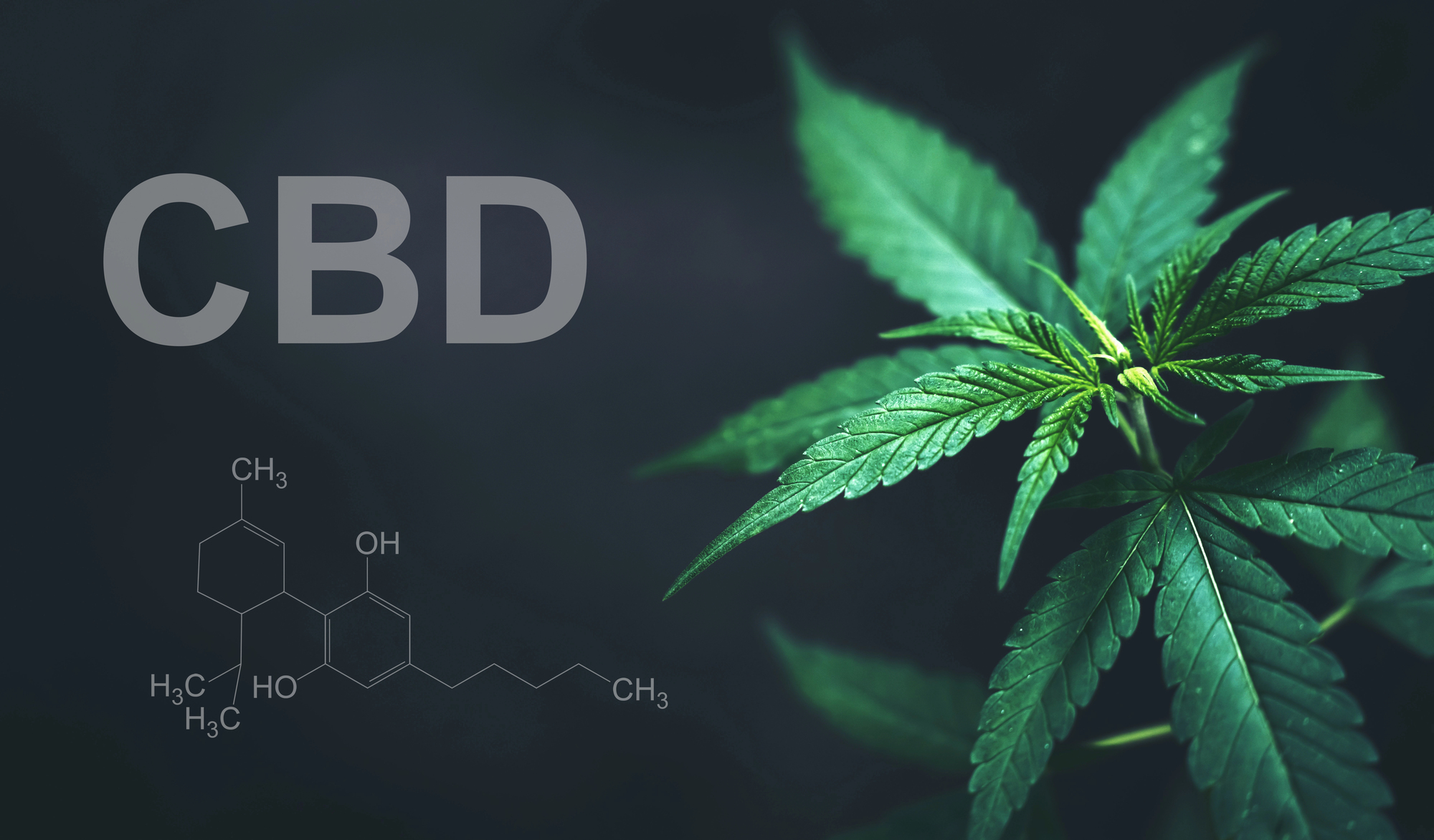
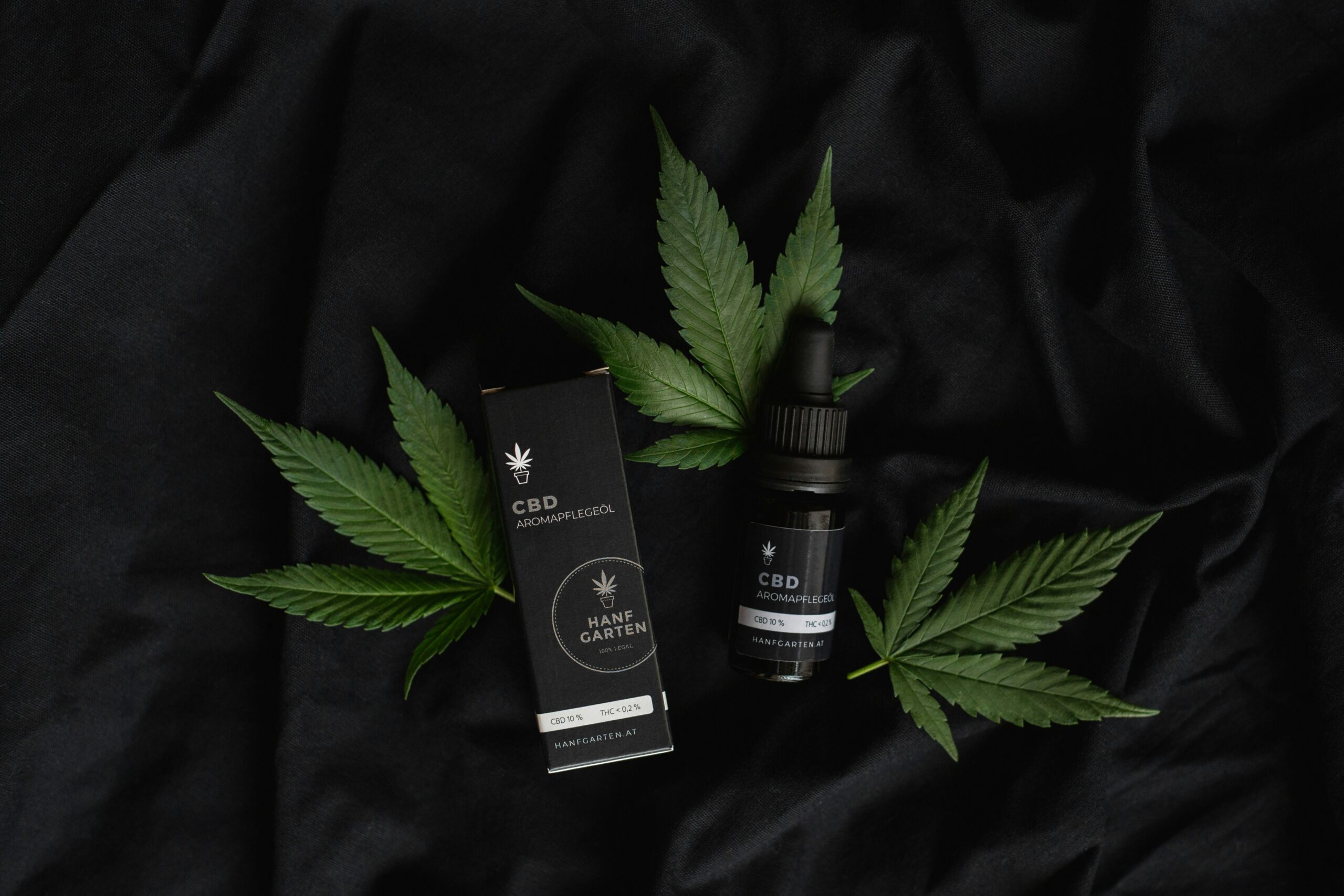
CBD oil bottle and hemp packaging illustrating how to read a CBD product label

How to Read a CBD Product Label: A Practical Guide for Everyday Buyers

CBD products can look simple from the outside. A bottle may say “premium hemp,” “full spectrum,” or “calm support,” but the front label rarely tells you everything you need to know.

The more useful information is usually found on the back or side of the package, where you can check the amount of CBD, serving size, ingredients, product type, testing information, and manufacturer details.

Learning how to read these labels can make it much easier to compare products and avoid choosing something based only on attractive packaging or marketing claims.

This guide explains the most important parts of a CBD label and what they can tell you about the product inside.

Start With the Total Amount of CBD

One of the first numbers you will usually see is the total amount of CBD in the entire container.

For example, a bottle may be labeled:

1,000 mg CBD

That normally refers to the total amount of CBD in the whole bottle, not the amount contained in one serving.

This distinction is important.

If a 30 mL bottle contains 1,000 mg of CBD, you need to look at the serving information to understand how much CBD you are actually getting at one time.

Two products can both advertise “1,000 mg CBD” while having very different serving sizes and recommended amounts.

Check the Serving Size

The serving size tells you how much of the product is considered one portion according to the manufacturer.

For an oil, this might be one dropper.

For gummies, it might be one or two gummies.

For capsules, it could be one capsule or several capsules.

A label might state:

Serving size: 1 mL
CBD per serving: 25 mg

This is much more useful than looking only at the total CBD content.

When comparing products, compare the CBD amount per serving, not just the large number printed on the front of the bottle.

Understand CBD Concentration

CBD concentration tells you how much CBD is present relative to the amount of product.

For oils and tinctures, this can make a major difference.

Imagine two bottles:

  • Bottle A contains 500 mg CBD in 30 mL.
  • Bottle B contains 1,500 mg CBD in 30 mL.

Bottle B is substantially more concentrated even though both bottles are the same physical size.

Understanding concentration helps you compare products more accurately and understand how much CBD may be present in each measured serving.

Full-Spectrum, Broad-Spectrum, and CBD Isolate

Many CBD labels describe the product as full-spectrum, broad-spectrum, or isolate.

These terms describe the type of hemp extract used.

Full-Spectrum CBD

Full-spectrum products generally contain CBD along with other naturally occurring compounds from the hemp plant.

These may include additional cannabinoids, plant compounds, and trace amounts of THC depending on the product and applicable regulations.

Anyone who needs to avoid THC should carefully review the product documentation and laboratory results rather than relying only on the phrase “full spectrum.”

Broad-Spectrum CBD

Broad-spectrum CBD generally contains CBD along with other hemp-derived compounds while being formulated to remove or greatly reduce THC.

However, formulations can vary between manufacturers.

If avoiding THC is important, check the Certificate of Analysis rather than assuming that every broad-spectrum product is identical.

CBD Isolate

CBD isolate is a more purified form of cannabidiol intended to contain CBD without the wider range of compounds found in full- or broad-spectrum extracts.

Consumers who want a simpler formulation may prefer isolate products, while others may prefer products containing a wider range of hemp compounds.

There is no single format that is automatically best for every person.

Look at the Cannabinoid Information

Some labels provide information about cannabinoids beyond CBD.

You may see references to compounds such as:

CBD, CBG, CBN, CBC, or THC.

The label may list exact amounts, or the manufacturer may provide those details only through laboratory testing.

If a product makes claims about containing multiple cannabinoids, check whether those cannabinoids actually appear in the testing documentation.

A product described as “multi-cannabinoid” should ideally provide enough information for consumers to understand what that means.

Read the Complete Ingredient List

CBD products often contain more than hemp extract.

CBD oils may contain carrier oils such as MCT oil, hemp seed oil, or another food-grade oil.

Gummies may contain sweeteners, flavorings, colors, acids, stabilizers, or gelling ingredients.

Topicals may contain botanical extracts, essential oils, moisturizers, fragrances, or other ingredients.

Reading the full ingredient list matters especially if you have:

  • food allergies,
  • dietary restrictions,
  • sensitivities,
  • ingredient preferences,
  • or concerns about combining multiple wellness products.

A short ingredient list is not automatically better, but the manufacturer should clearly explain what is in the product.

Do Not Confuse Hemp Seed Oil With CBD

Hemp seed oil and CBD-rich hemp extract are not the same thing.

Hemp seed oil comes from hemp seeds and is commonly used as a food or cosmetic ingredient. It does not naturally contain meaningful amounts of CBD in the same way that cannabinoid-rich extracts from other parts of the hemp plant do.

A product containing hemp seed oil is not automatically a CBD product.

If you are buying something specifically for its CBD content, look for a clearly stated amount of CBD rather than relying only on words such as “hemp,” “hemp oil,” or “hemp-derived.”

Look for a Batch or Lot Number

A well-labeled CBD product should generally provide some way to identify the specific production batch.

This may appear as a:

Batch number, lot number, or similar production code.

Batch identification matters because laboratory testing is often tied to a particular production run.

If the company provides a Certificate of Analysis, ideally the batch number on the laboratory report should correspond with the product you purchased.

This is more useful than viewing a generic test report that may have been produced for a completely different batch.

Find the Certificate of Analysis

A Certificate of Analysis, commonly called a COA, is one of the most useful documents when evaluating a CBD product.

Manufacturers may provide access through:

  • a QR code on the packaging,
  • a batch number lookup,
  • a laboratory-testing page on their website,
  • or a downloadable report.

A COA can provide more information than the package itself.

Depending on the testing performed, it may show cannabinoid levels and results for certain contaminants or quality parameters.

What to Check on a CBD COA

When reviewing a COA, begin by checking whether the product name or batch number matches the product in your possession.

Then look at the cannabinoid results.

The reported CBD amount should be reasonably consistent with what the label claims.

If the product is marketed as containing little or no THC, review the THC results as well.

Some laboratory reports may also include testing for substances such as heavy metals, pesticides, residual solvents, or microorganisms.

Not every laboratory report includes the same testing panel, so read the document carefully rather than assuming that “lab tested” means every possible quality measure has been evaluated.

Look at Who Performed the Testing

“Lab tested” sounds reassuring, but it is worth asking who actually performed the testing.

Independent third-party laboratory testing generally provides more useful transparency than a company simply claiming to test its own products without providing documentation.

Check whether the report identifies the laboratory and includes information such as:

  • the testing date,
  • sample or batch identification,
  • laboratory name,
  • test results,
  • and report details.

A professionally produced laboratory report should give you enough information to understand what was tested.

Check the Manufacturing and Expiration Information

Look for:

Manufacturing date, best-by date, or expiration date.

CBD products can change over time, particularly when exposed to heat, light, oxygen, or moisture.

Follow the storage instructions provided by the manufacturer.

For CBD oils, this often means keeping the bottle tightly closed and away from excessive heat or direct sunlight.

If packaging appears damaged or the seal has already been broken, it may be safer not to use the product.

Look for Manufacturer Contact Information

A legitimate product should make it reasonably easy to determine who manufactured or distributed it.

The package may include:

  • manufacturer or distributor name,
  • website,
  • customer-service contact information,
  • or physical business information.

If a company sells wellness products but provides no meaningful way to identify or contact the business, that deserves additional scrutiny.

Transparency is especially important when purchasing products online from unfamiliar brands.

Pay Attention to Warning Statements

CBD labels may contain warnings or usage instructions.

Read them.

These can include information about:

  • age restrictions,
  • pregnancy or nursing,
  • medication use,
  • keeping the product away from children,
  • suggested serving instructions,
  • or avoiding use in particular circumstances.

Warnings should not be treated as decorative fine print.

Be Careful With Medical Claims

CBD marketing can sometimes go far beyond what the product label actually supports.

Be cautious with language claiming that a product can cure diseases, replace medications, eliminate serious symptoms, or guarantee specific health outcomes.

CBD is not a universal solution, and individual responses can vary significantly.

The more dramatic the claim, the more carefully you should evaluate the evidence and the company making it.

Responsible wellness marketing should provide information without promising impossible outcomes.

Consider Medication Interactions

CBD can affect how the body processes certain medications.

That makes professional guidance especially important for people taking prescription medications or managing ongoing health conditions.

This is not something that can be determined simply by reading the number of milligrams on a bottle.

If you take medications or have questions about whether CBD is appropriate for you, speak with a qualified healthcare professional or pharmacist.

The same caution is appropriate during pregnancy or breastfeeding.

Compare Price Per Milligram Carefully

CBD products can vary widely in price.

Instead of comparing only the bottle price, you can also look at approximately how much you are paying for the amount of CBD in the product.

For example, a $50 product containing 1,000 mg of CBD may offer different value than a $40 product containing only 500 mg.

However, price per milligram should never be the only factor.

Testing, formulation, ingredients, manufacturing transparency, and product quality also matter.

The cheapest CBD is not automatically the best value.

Watch for Misleading Numbers

One common source of confusion is large numbers printed prominently on packaging.

A product may display:

5,000 mg HEMP

but that does not necessarily mean it contains 5,000 mg of CBD.

The number might refer to the total amount of hemp extract, another ingredient, or even something else entirely.

Always look specifically for the amount of CBD.

Clear manufacturers should make that information relatively easy to find.

Product Type Matters

CBD products come in different formats, and labels should be interpreted in the context of the product type.

CBD Oils

Check total CBD, bottle volume, serving size, CBD per serving, carrier oil, and cannabinoid profile.

CBD Gummies

Check CBD per gummy, number of gummies per serving, total gummies, sweeteners, allergens, and additional active ingredients.

CBD Capsules

Look at CBD per capsule, serving size, capsule ingredients, and any additional supplements included in the formula.

CBD Topicals

Check total CBD, container size, other botanical ingredients, fragrances, and application instructions.

Different formats serve different preferences, so compare products within the same category when possible.

Avoid Buying Based Only on Packaging

CBD packaging has become increasingly polished.

Beautiful branding can make a product look trustworthy, but design quality tells you very little about formulation quality.

A plain-looking bottle with transparent laboratory results and clear ingredient information can be a more informed choice than an expensive-looking product with vague labeling.

Turn the package around.

Read the numbers.

Check the testing.

Those details matter more than the color of the box.

A Simple CBD Label Checklist

Before purchasing a CBD product, check:

  1. Total amount of CBD
  2. CBD per serving
  3. Serving size
  4. Full-spectrum, broad-spectrum, or isolate designation
  5. Complete ingredient list
  6. Batch or lot number
  7. Certificate of Analysis
  8. THC information
  9. Manufacturer information
  10. Expiration or best-by date

If several of these pieces of information are missing, it may be worth comparing the product with a more transparent alternative.

Final Thoughts

A CBD label contains much more useful information than the marketing language on the front of the package.

Start by understanding how much CBD the product actually contains and how much is present in each serving. Review the ingredient list, identify the type of CBD extract, and look for batch-specific laboratory testing.

Most importantly, approach CBD as you would any other wellness product: with curiosity, reasonable expectations, and attention to quality.

Transparent companies should make it easier—not harder—for consumers to understand what they are buying.

At Freedom Health CBD, our goal is to help readers look beyond packaging and better understand the information that matters when evaluating CBD and hemp-derived products.

CBD Link Building Service: What It Actually Does and How to Choose the Right One

CBD Link Building Service What It Actually Does and How to Choose the Right One

A CBD link building service earns backlinks from hemp, CBD, and wellness-relevant websites so a brand can rank higher in organic search. Because CBD is blocked from most paid advertising and rejected by mainstream publishers, these specialized services fill a gap that ordinary agencies cannot. The strong ones prioritize topical relevance and real traffic over raw domain scores and place links inside genuine, human-written content.

Anyone who has built a CBD brand knows the marketing map has most of its roads blocked. Paid search is off limits. Social advertising gets throttled or banned. The mainstream health and lifestyle publications that would happily cover an ordinary supplement keep CBD at a careful distance. Meanwhile your customers are searching every day for the exact products you sell. The only reliable way to appear for those searches is organic ranking, and organic ranking runs on backlinks. That is the entire reason a dedicated CBD link building service exists as its own category.

This guide breaks down what these services actually do, how the good ones operate, what you should expect to pay, and how to tell a genuine service from a link farm dressed up in a nice website. It is written for founders who want authority that compounds, not a spreadsheet of links that disappear.

What a CBD Link Building Service Actually Does

Strip away the jargon and a legitimate service does a short, concrete list of jobs. It finds hemp and wellness-relevant websites that will publish content and accept a link. It creates genuine, human-written articles that host those links inside useful content. It places each link with natural, varied anchor text pointing at the right pages on your site. It confirms the hosting pages are indexed so the links actually pass value. And it reports back with proof so you can verify the work and track its effect.

Backlinks matter this much because they remain one of Google’s core ranking signals. Ahrefs, which maintains one of the largest link indexes in the industry, explains in its breakdown of authority metrics that a site’s overall backlink strength correlates closely with its ability to earn organic traffic. For a CBD brand, that means links are not a bonus. They are the mechanism that lets your product pages and guides compete at all.

Why a Regular SEO Agency Struggles With CBD

Many CBD founders try a general agency first, and most walk away frustrated. The reason is structural. A typical agency’s link building relies on broad outreach to a wide pool of publishers, and that pool mostly closes its doors to CBD. The agency pitches, collects rejections, and then either gives up or quietly places your links on irrelevant sites to hit the number in your contract. Those low-quality links are the exact kind that can drag a domain down rather than lift it.

A specialist service works inside channels that already accept CBD: niche networks, hemp-friendly publishers, and industry directories. That single difference, access to relevant publishers who will actually say yes, separates a service that moves your rankings from one that just fills a report. It is also why understanding why niche relevance drives link value is worth your time as a buyer, not just your provider’s.

The YMYL Factor: Why CBD Links Face Extra Scrutiny

CBD content falls into what Google calls “Your Money or Your Life” territory, the category for anything that can affect health, safety, or finances. Pages there are held to a higher standard of trust, and Google expects clear signals of experience, expertise, authoritativeness, and trustworthiness before it rewards them. The regulatory backdrop reinforces this. The FDA’s position, laid out in its overview of how it regulates CBD products, is that CBD is subject to the same laws as other regulated products, and it has taken action against brands making unsupported therapeutic claims.

For a CBD brand building links, that has two practical consequences. First, the sites linking to you matter more than they would in a low-stakes niche, because Google leans harder on the credibility of your associations when your category is sensitive. Second, the content around your links has to stay careful. Wellness-oriented language that describes what customers report, rather than medical claims about what CBD treats or cures, is both the compliant path and the one that survives editorial review. A service that understands this writes accordingly. One that does not can get your placements rejected or worse.

How the Best CBD Link Building Works, Step by Step

The strongest services follow a repeatable process rather than a scattershot approach. The pattern below is what a well-run campaign looks like from the inside.

  1. Keyword and page mapping. Identify the commercial and informational terms your customers search, then map which pages on your site each link should support.
  2. Publisher matching. Select hemp, CBD, and wellness-relevant sites with real organic traffic and clean profiles.
  3. Compliant content creation. Produce human-written articles that carry the link naturally and use wellness-appropriate language rather than medical claims.
  4. Contextual placement and indexing. Embed the link with varied anchor text, then confirm the page is indexed so it passes authority.
  5. Reporting and monitoring. Deliver proof of each placement and track ranking, indexation, and referral traffic over the following months.

One effective version of this model is a private authority network built specifically for restricted industries. ALT Placements, a network for CBD and alternative wellness brands, runs a curated set of over one hundred twenty aged, niche-relevant domains and distributes placements daily rather than in a single unnatural burst. Every hosting article is human-written, every link is contextual, and clients receive a report documenting publication dates, anchor text, and content snippets as proof of work. You can walk through the step-by-step placement process before deciding whether it fits.

Comparing Your Options as a CBD Brand

Option CBD acceptance Relevance Effort for you
Specialist CBD service Built in High Low
General SEO agency Inconsistent Often low Moderate
DIY outreach Mostly refused Varies Very high
Cheap bulk packages Accepts anything None, risky Low, but harmful

What It Costs and How to Think About Return

Pricing tracks the authority and relevance of the sites involved, and reputable services usually work on managed monthly plans rather than per-link roulette. The number to distrust is the bargain one. When a package offers a flood of links for almost nothing, you are looking at link-farm placements, and for a CBD site those do more harm than good.

Understanding what drives the price helps. A managed plan bundles research, human-written compliant content, controlled in-body placement, indexing support, and verifiable reporting. A bare per-link purchase bundles none of that. So when a cheap offer looks comparable to a managed plan on the headline number, the underlying value is usually nowhere close. The return is where a good service justifies itself: a single first-page ranking for a competitive CBD term can send buyers month after month, and because a quality backlink keeps passing authority long after placement, the effect compounds. A paid ad, if you could even run one, stops the moment you stop paying.

“In a YMYL category like CBD, link quality is the entire game. One low-quality link can undercut months of clean work, and one relevant, authoritative link can outweigh dozens of weak ones.”

Anchor Text: The Detail That Quietly Sinks CBD Campaigns

Anchor text is the clickable wording of a link, and it is one of the fastest ways to make a purchased profile look purchased. The instinct is to request your money keyword every time, something like “buy CBD oil.” Repeat that across placements and you build a pattern no natural editorial process produces, which is exactly what spam systems look for. Semrush, in its guidance on link building metrics, flags over-optimized, keyword-heavy anchors as a signal of manipulative link building that can lead to a penalty.

A healthy CBD profile blends anchor types. Branded anchors using your brand name should dominate. Naked anchors use the raw web address. Generic anchors use ordinary connective phrases a writer would type. Partial-match anchors fold your keyword in loosely, and only a small slice should be exact-match. The specific ratios matter less than the principle: variety is what natural links look like, so a good service builds this distribution deliberately rather than hammering one phrase. That is one more item for your vetting list.

Anchor type Role in a natural profile
Branded Largest share, safest
Naked URL Reads as citation
Generic Natural connective tissue
Partial match Relevance signal, sparing
Exact match Strong but risky, minimal

Pace matters alongside anchors. A believable profile grows steadily rather than all at once. A cluster of links appearing on a single day reads as a purchase, while the same links spread across weeks read as steady coverage. Daily distribution rather than a single burst is part of what keeps a profile looking natural, and it is worth asking any provider how they handle it. If you are still deciding whether paid acquisition fits your brand at all, the honest breakdown of whether buying links is right for you is worth reading first.

How to Choose a CBD Link Building Service: A Buyer’s Checklist

Before you sign anything, put every candidate through these questions. The good ones answer without flinching.

Do they show you the content before it publishes? A legitimate service lets you review the hosting article. If not, ask why.

Are the sites hemp or wellness relevant with real traffic? Relevance and genuine readership beat a flashy domain score.

Is the content human-written and compliant? It should use wellness language, not medical claims, and read like real editorial.

Will anchor text be varied? Exact-match saturation is a classic penalty trigger. Natural variation is the goal.

Do you get real proof of placement? A report with dates, anchors, and snippets is the minimum.

Once your campaign runs, keep watching it. Knowing how to confirm your links are live lets you confirm indexation and spot any link that quietly disappears, which happens more with weak providers than they admit. Set a simple monthly rhythm for this: confirm indexation, note any ranking movement on your target terms, and flag anything that dropped. Ten minutes a month protects a budget that took real money to build.

It also helps to understand what you are actually buying with an off-site placement. The link lives inside an article on a site you do not own, and its value rests on three things stacked together: a real hosting site with its own readers, genuine human-written content a person would actually read, and a link placed naturally in the body rather than buried in a footer. When all three line up, the placement passes authority and can send interested referral visitors at the same time. When any one is missing, you are looking at a placement that either does nothing or raises flags. A specialist CBD service handles all three by design, which is the core of why it outperforms both a general agency and a cheap bulk package.

Frequently Asked Questions

Is a CBD link building service worth it?

For most CBD brands, yes, because organic search is one of the only scalable acquisition channels when paid advertising is restricted. A relevant, well-run service builds the authority that lifts you in the searches your customers already run. Value depends entirely on quality, so vetting the provider is the deciding factor.

Can CBD backlinks get my site penalized?

Low-quality links from farms or spun content can trigger penalties in any industry, and CBD faces extra YMYL scrutiny. Contextual links on real, indexed, hemp-relevant sites with genuine traffic and human-written content carry minimal risk and are standard practice.

How many links does a CBD brand need to rank?

It varies with your existing authority and keyword competitiveness. A newer brand chasing niche product terms may need a modest set of strong, relevant referring domains, while one competing for broad keywords needs many more. An audit gives you a realistic target rather than a guess.

Does relevance or domain strength matter more for CBD?

Both help, but relevance tends to win. A mid-authority hemp or wellness site with real readers usually delivers more than a stronger link from an unrelated blog, because Google reads the topical alignment as a more credible endorsement in a sensitive category.

How soon will I see results?

Ranking movement typically begins within a couple of months of links going live, with authority changes appearing in tools later. The full effect of a sustained campaign usually shows within roughly half a year, depending on competition and domain history.

The Bottom Line

A CBD link building service is worth exactly as much as the quality of the links it delivers. Done poorly, with cheap bulk placements on irrelevant or dead sites, it wastes money and can invite a penalty in a category Google already watches closely. Done well, with contextual, compliant links on real, hemp-relevant, indexed sites that carry genuine traffic, it becomes the engine that puts your brand in front of buyers who cannot be reached through paid ads. In a category built on restrictions, that authority is the growth channel. A private network built specifically for CBD and restricted industries, the model ALT Placements runs, is often the most direct way to get there without the rejection and the risk.

Legal and compliance note

This article is informational and concerns digital marketing and SEO for CBD and hemp businesses. It is not legal, financial, medical, or professional marketing advice, and it guarantees no specific ranking or traffic outcome, since search performance depends on competition, domain history, and factors beyond any provider’s control. CBD products are regulated, their legal status varies by jurisdiction, and the FDA has not approved CBD as a dietary supplement or food additive. Marketing should avoid unproven health claims. Businesses are responsible for ensuring their products and marketing comply with all applicable local, state, and federal laws before publishing.

CBD Gummies Near Oka: What to Know Before You Buy

CBD Gummies Near Oka What to Know Before You Buy

Quick answer: CBD gummies are chewable edibles containing cannabidiol (CBD), a non-intoxicating compound from the cannabis plant, so they won’t produce the “high” that THC does. People choose them for convenient, pre-measured servings and an easy-to-take format. Onset is gradual because they’re digested, so the usual guidance is to start with a low serving and wait. Near Oka, you can ask about CBD gummies at Bear’s Den Cannabis in nearby Kanesatake. This is a general wellness guide, not medical advice, and it makes no health claims.

CBD gummies are one of the most popular ways people try CBD, and it’s easy to see why: they’re simple, pre-portioned, and don’t require any equipment or measuring. But “popular” doesn’t mean “well understood,” and there’s a lot of marketing noise around them. If you’re looking at CBD gummies near Oka, this guide covers what they actually are, how servings and timing work, how gummies compare to CBD oil, what to check on a label, and where to ask questions. No hype, no health claims, just practical information so you can make your own call.

One framing note up front: CBD is non-intoxicating. Unlike THC, it doesn’t produce a high. That’s the single most important thing to understand about CBD gummies, and it shapes everything else in this guide. People generally describe reaching for CBD as part of a wellness routine, and some report a sense of calm, but the evidence base is still developing and no one should expect a gummy to be a medical treatment. Where this guide mentions why people use CBD, it’s describing general consumer wellness interest, not making claims about what CBD does.

It’s also worth saying plainly that this guide won’t tell you CBD will do anything specific for you, because honestly nobody can promise that, and any product that does is overselling. What it will do is explain the format clearly, so you understand what a CBD gummy is, how to use one sensibly, and how to tell a well-made product from a dubious one. From there, the decision, and the expectations, are yours.

What are CBD gummies?

A CBD gummy is a chewable edible infused with cannabidiol. CBD is one of many compounds in the cannabis plant; the two most talked-about are THC, which produces intoxication, and CBD, which does not. The FDA notes that THC is the component responsible for the high associated with cannabis, while CBD is generally non-intoxicating. So a CBD gummy is designed to deliver CBD in a measured, food-like form without the intoxicating effect of THC.

Gummies are made by infusing CBD into a gummy base, then portioning it so each piece contains a set amount of CBD, commonly expressed in milligrams. That pre-measured aspect is a big part of the appeal: instead of counting drops of oil, you take one gummy and know roughly how much CBD it contains. Quality can vary in how evenly the CBD is distributed through the batch, which is one reason lab testing matters, but the intent of the format is consistent, portioned servings.

You’ll see a few CBD types on labels. CBD isolate is CBD on its own. Broad-spectrum keeps a range of other hemp compounds but is processed to remove THC. Full-spectrum keeps the fuller range of compounds, which can include trace THC. Which you prefer is personal, and it’s a good thing to ask staff about, especially if avoiding THC entirely matters to you.

Why people choose gummies

Understanding the appeal helps you judge whether the format suits you.

Pre-measured servings. Each gummy holds a set amount of CBD, so there’s no measuring or guesswork. For anyone who finds oils fiddly, that consistency is the main draw.

Easy and discreet. A gummy is just something you chew. No droppers, no taste of oil, no equipment. It looks and works like a regular chew, which many people find more approachable.

Portable. Gummies travel well and don’t spill, unlike a bottle of oil. That makes them easy to keep in a routine, whether at home, at work, or on the go, and there’s nothing to measure or clean up.

Approachable for newcomers. For someone curious about CBD but unsure where to start, a gummy is about as low-friction as it gets. There’s no technique to learn and no equipment to buy, which is part of why gummies are so often a first product rather than oils or other formats.

Taste. Plenty of people simply don’t like the earthy, slightly bitter taste of CBD oil. Flavoured gummies mask that entirely, which is a genuine and underrated reason they’ve become so common as an entry product.

The trade-off, covered below, is timing: because a gummy is digested, it acts more gradually than some other formats. Whether that matters depends on how and why you’re using it.

A general news overview

Before getting into servings and labels, the short broadcast segment below offers a general, mainstream overview of CBD gummies and the questions people tend to have about them. It’s included as neutral background from a news source, not as an endorsement or health guidance; treat it as a starting point and rely on product labels and, where relevant, a health professional for anything specific to you.

How servings and timing work

This is where a little knowledge saves a lot of confusion. Because gummies are eaten and digested, they behave differently from things you inhale or hold under your tongue.

Onset is gradual. An eaten edible passes through your digestive system before its compounds are absorbed, so effects build slowly rather than arriving at once. Health Canada’s general edible guidance notes that effects can take from 30 minutes to 2 hours to be felt, and while that guidance is framed around THC edibles, the digest-first timing applies to eaten CBD products too. The practical lesson: don’t expect an instant result, and don’t assume “nothing’s happening” a few minutes in. This is the single most common source of confusion for first-time edible users, so it’s worth internalising before you start.

Start low, go slow. This is the standard, sensible approach for any edible. Health Canada’s advice to start with a low amount and wait to feel the effects before taking more is worth following even with non-intoxicating CBD, simply because everyone’s response differs and there’s no reason to rush. British Columbia’s public-safety guidance echoes this in its edible cannabis safe-use factsheet, which stresses clearing your schedule and giving edibles time rather than redosing early. Begin with a single low-CBD gummy, give it time, and adjust from there over days rather than minutes.

Consistency helps. Many people who use CBD treat it as a routine rather than a one-off, taking a consistent low serving and seeing how they feel over time. That’s a more realistic frame than expecting a dramatic single-dose effect, and the pre-measured gummy format makes that kind of steady routine straightforward to maintain.

Read the per-gummy amount. Labels state the CBD per piece. Knowing that number is how you keep track of your serving and compare products sensibly.

Where to ask about CBD gummies near Oka

If your search points to the Oka area, Bear’s Den Cannabis in the nearby Kanesatake community carries CBD products including gummies. It’s at 1510B Rang Ste-Philomène, Indigenous-women-owned, open daily from 8:30 AM. You can browse via the Bear’s Den Cannabis online shop and look over the CBD gummies and wider CBD selection, which spans gummies, tinctures, and topicals.

For a buyer’s guide, the staff are the most useful resource. CBD type (isolate, broad-, full-spectrum), per-gummy amounts, and how a product fits a routine are exactly the things people find confusing, and being able to ask someone in person beats guessing from a label. Bear’s Den has a local reputation for patient, no-pressure explanation and won’t push you toward more than you’re looking for. You can confirm hours and directions through the shop’s contact and visit page. Because stock varies, it’s worth checking ahead if you want a specific CBD type or strength.

CBD gummies versus CBD oil

The most common comparison shoppers weigh is gummies against oil (tinctures). Neither is better; they suit different preferences.

Factor CBD gummies CBD oil / tincture
Dosing Pre-measured per gummy Adjustable by drops
Onset Gradual (digested) Can be faster if held under tongue
Taste Flavoured, easy Earthy; some dislike it
Best for Convenience, routine, consistency Fine-tuning the amount

Gummies win on convenience and consistent, pre-measured servings, which suits people who want simplicity and a set routine. Oil wins on flexibility, since you can adjust drop by drop and, held under the tongue, it may act faster than a digested gummy. If you value ease and taste, gummies make sense; if you want to fine-tune your amount, oil does. Many people try both and settle on a preference.

Reading a CBD gummy label

Because the CBD market is uneven, label literacy protects you. A few things to check.

CBD per gummy. The single most useful number. Look for the milligrams of CBD per piece, not just the total in the pack, so you know your per-serving amount.

Third-party lab testing. Reputable CBD products are tested by an independent lab, with results (a certificate of analysis) available. This verifies the CBD content and checks for contaminants. Its presence is a strong quality signal.

CBD type. Isolate, broad-spectrum, or full-spectrum, as covered above. If avoiding THC entirely matters to you, this is the line to read, and broad-spectrum or isolate is the direction to look.

Ingredients. As with any edible, check for allergens, sugar content, and whether it’s vegan if that matters to you, since gummy recipes vary widely from one brand to the next.

The FDA has been clear that the CBD market includes products with inconsistent quality and mislabeled contents, which is exactly why lab testing and buying from a reputable retailer matter. Its broader point, that there’s still a lot regulators are working to establish about CBD, is also the honest backdrop for any CBD purchase: keep expectations measured.

A note on claims and expectations

Because CBD marketing can get carried away, a clear-eyed word. CBD is widely sold and many people incorporate it into wellness routines, but rigorous evidence for many popular claims is still limited, and regulators have not approved CBD as a general treatment for health conditions. The FDA notes that, aside from one prescription medication, it hasn’t approved CBD products and that information about CBD’s effects remains limited.

What that means for you as a buyer: treat any product promising to cure, treat, or fix a specific condition with skepticism, since those claims aren’t permitted and aren’t established. A reasonable frame is that CBD is a wellness product some people find they like as part of a routine, not a medicine. And if you have a health concern or take other medications (CBD can interact with some), the sensible step is to talk with a healthcare professional rather than rely on a gummy. That’s not a disclaimer for its own sake; it’s the honest, useful advice.

This measured framing is, if anything, a reason to buy from a reputable retailer rather than a bargain website making big promises. A shop that describes CBD honestly, as something some customers enjoy, without overselling it, is a shop worth trusting. Extravagant health claims are a red flag, not a selling point, and the retailers who avoid them tend to be the ones stocking properly tested products in the first place.

Who CBD gummies suit

They suit people who want convenience. Pre-measured, easy, portable, no equipment. If simplicity is the priority, gummies deliver it.

They suit people who dislike the taste of oil. Flavoured gummies sidestep that entirely.

They suit routine users. A consistent daily low serving fits the way many people actually use CBD, and the fixed per-gummy amount makes that routine easy to keep steady without measuring each time.

They’re less ideal for someone wanting fine control over the exact amount, where adjustable oil is better, or for anyone expecting an instant effect, since digestion makes onset gradual.

As always, match the product to what you actually want. And remember the non-intoxicating point: CBD gummies are not a way to get high, and any product implying otherwise isn’t what it claims to be.

Isolate, broad-spectrum, full-spectrum: what the labels mean

These three terms come up constantly on CBD gummy packaging, and they genuinely affect what you’re buying, so they’re worth understanding rather than glossing over.

CBD isolate is pure CBD with everything else stripped away. No THC, no other cannabinoids, no plant terpenes. It’s the choice for someone who wants CBD alone and nothing else, and it’s typically flavourless in its raw form, which suits gummies where flavour comes from the recipe.

Broad-spectrum keeps a range of the hemp plant’s other compounds, cannabinoids and terpenes, but is processed to remove THC (or reduce it to non-detectable levels). It’s often chosen by people who want more of the plant’s profile than isolate offers but still want to avoid THC.

Full-spectrum retains the fullest range of the plant’s compounds, which can include trace amounts of THC within legal limits. Some people prefer full-spectrum on the idea that the compounds work together, sometimes called the “entourage effect,” though it’s worth knowing that this idea is still being researched rather than settled science.

For a buyer, the practical takeaway is simple: if avoiding THC entirely is important to you, look for isolate or broad-spectrum and check the label and lab results. If you’re comfortable with trace THC and want the fuller plant profile, full-spectrum is an option. There’s no universally “best” choice, which is exactly the sort of thing worth asking staff to walk you through against the specific products on the shelf.

Common mistakes first-time buyers make

A few predictable missteps trip people up with CBD gummies. Knowing them in advance saves frustration.

Expecting an instant effect. Because gummies are digested, they don’t act immediately. People sometimes decide it “isn’t working” within minutes and either give up or eat more too soon. Patience is part of the format.

Ignoring the per-gummy amount. Buying on price or flavour without checking the milligrams of CBD per piece means you don’t actually know your serving. That number is the one that matters for keeping track.

Skipping the lab results. Because the CBD market is uneven, a product without accessible third-party testing is a gamble on what’s really inside. Reputable products make their certificate of analysis available; treat its absence as a caution.

Assuming all CBD gummies are the same. Type (isolate versus spectrum), strength, and quality vary widely. Two gummies that look identical can be very different products, which is why reading the label beats grabbing the first thing you see.

Expecting a medicine. As covered, CBD is a wellness product, not an approved treatment. Going in with measured expectations, rather than hoping a gummy will fix a specific problem, leads to a more realistic experience and protects you from overhyped marketing.

None of these are hard to avoid; they just take a moment of attention. A knowledgeable retailer helps here too, since good staff steer you around exactly these pitfalls.

Frequently asked questions

Will CBD gummies get me high?

No, they will not. CBD is non-intoxicating and doesn’t produce the high that THC does. That’s the defining feature of CBD products. If a “CBD” gummy makes intoxicating claims, be cautious, since it may contain THC or be mislabeled. Check the label and CBD type.

How many CBD gummies should I take?

Start with one low-CBD gummy and see how you feel over time before adjusting. Everyone responds differently, and there’s no benefit to rushing. Check the milligrams of CBD per gummy on the label so you know your serving, and treat CBD as a routine rather than a one-off.

How long do CBD gummies take to work?

Because they’re eaten and digested, effects are gradual rather than instant. General edible guidance points to a window of roughly 30 minutes to a couple of hours before anything is felt. Don’t assume it isn’t working early on, and don’t stack more too soon.

Are CBD gummies legal in Canada?

CBD is regulated under the Cannabis Act, and CBD products are sold through the regulated cannabis framework rather than as ordinary groceries. Buy from an authorized source and check for proper labelling and lab testing. In Quebec the minimum age is 21, and the Kanesatake-area retail context is distinct from provincial SQDC stores under asserted Indigenous sovereignty, a contested status, so understand which rules apply to you before buying.

Gummies or oil, which is better?

Neither is universally better. Gummies offer pre-measured convenience and better taste; oil lets you fine-tune the amount and can act faster if held under the tongue. It comes down to whether you value simplicity or flexibility. Many people try both.

Where can I buy CBD gummies near Oka?

Bear’s Den Cannabis in nearby Kanesatake, at 1510B Rang Ste-Philomène, carries CBD gummies and other CBD products, with staff who can explain the types. It’s open daily from 8:30 AM. Stock varies, so confirming ahead is sensible if you want a specific product.

Legal and wellness notice. This article is general information only, not medical, legal, or purchasing advice, and makes no health or therapeutic claims. CBD is a non-intoxicating compound; products vary in quality, and evidence for many popular claims remains limited. Consult a healthcare professional before using CBD, especially if you are pregnant, nursing, or taking other medications, as interactions are possible. Cannabis and CBD products are for adults; in Quebec, the provincial minimum age is 21, the highest in Canada. Certain retailers in the Kanesatake area operate on Sovereign Mohawk Territory outside Quebec’s SQDC framework under asserted Indigenous sovereignty; the legal status of retail on this basis is contested and distinct from provincially licensed stores, and readers should understand the rules that apply to them. Keep all products away from children and pets. Details and availability change; confirm directly with the business.